


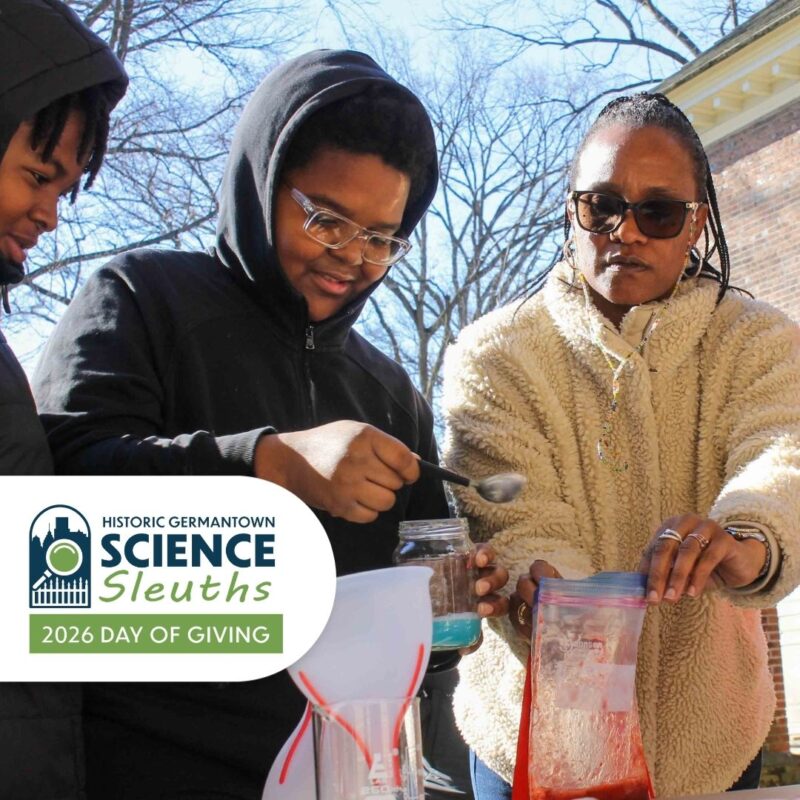
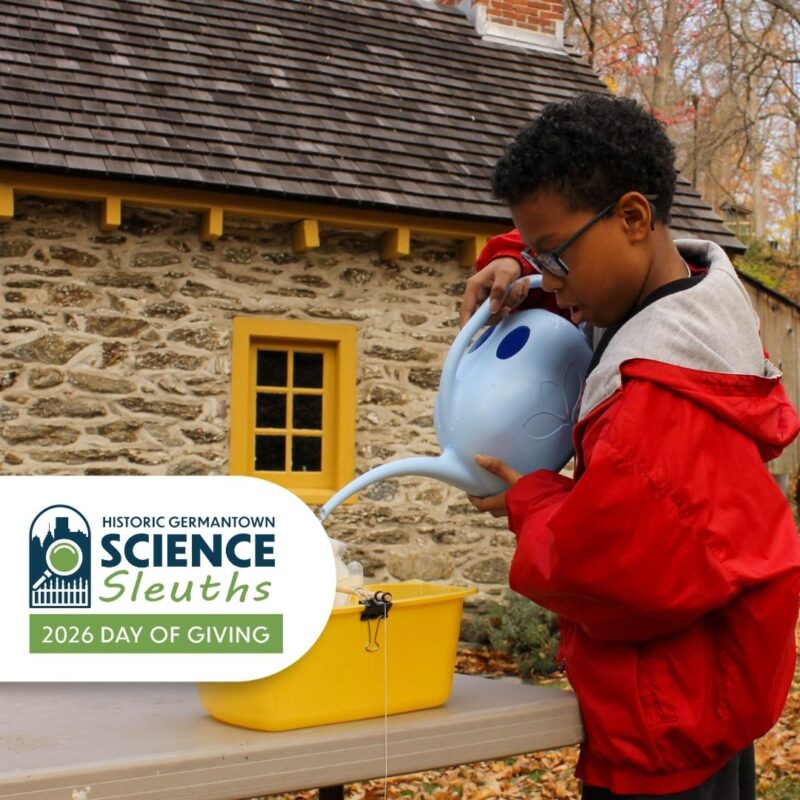
Giving our students opportunities to support fulfilling their potential matters.
Awbury
Arboretum
Students study watershed/ecology

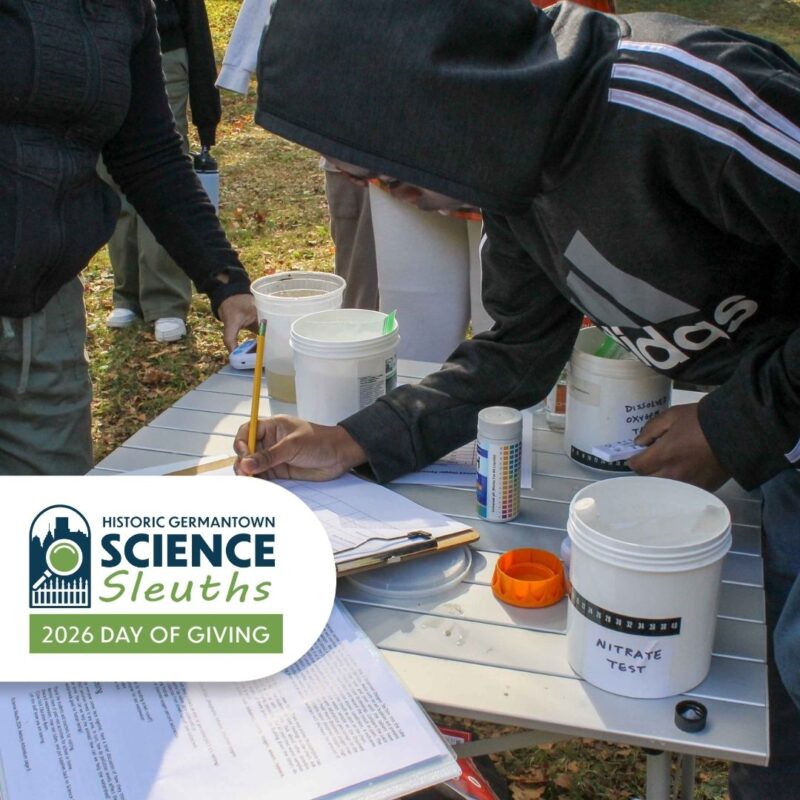
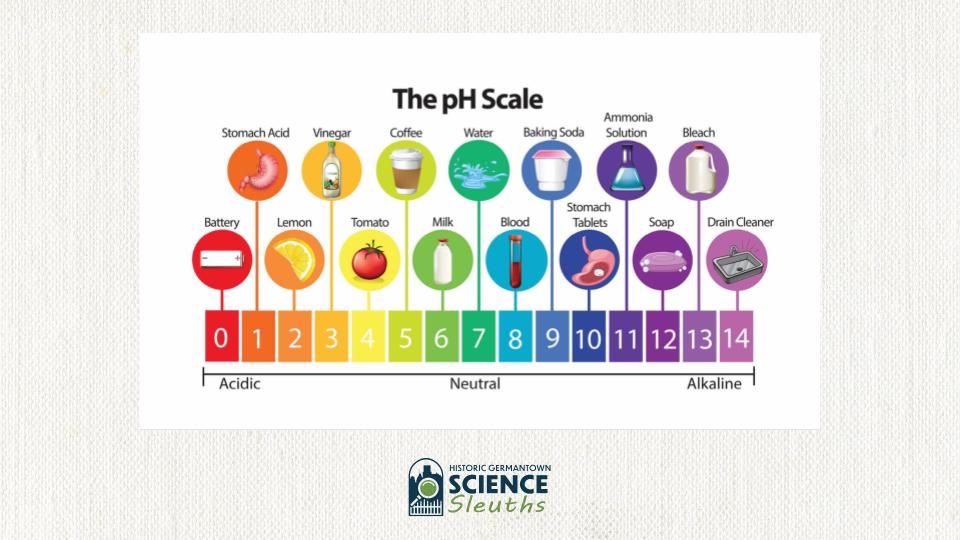
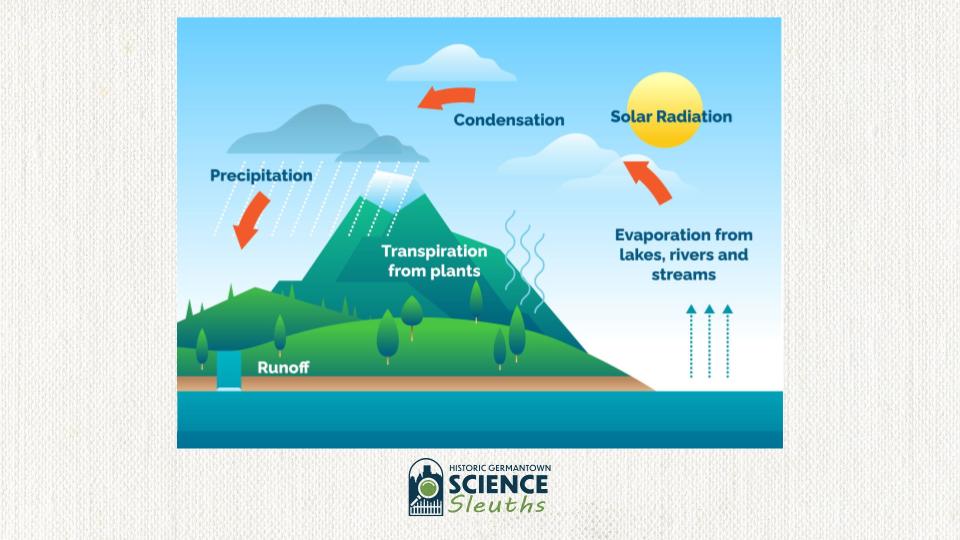
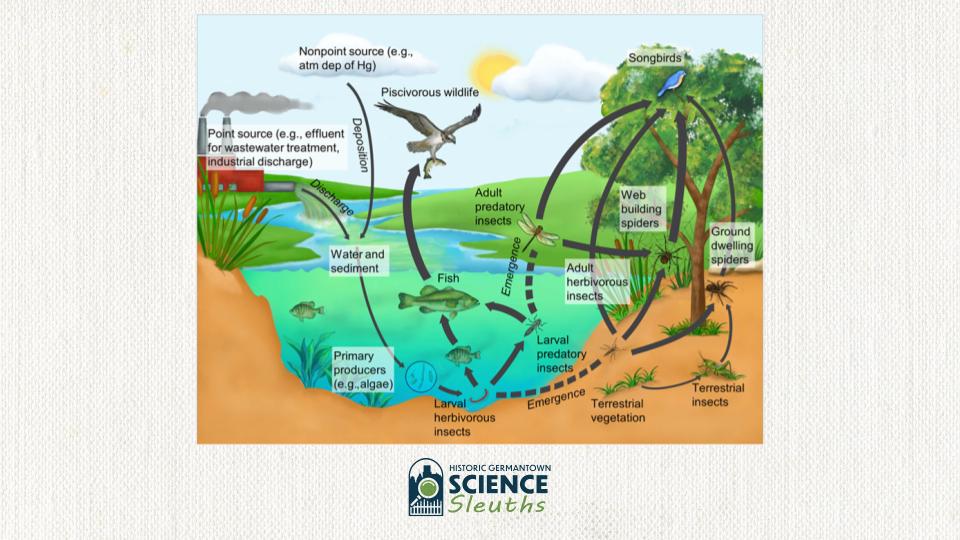
Students visit the daylighted portion of the Wingohocking Creek and explore watersheds, run off, pollution, the water cycle, and biomes. They test water for pH, nitrates, phosphate, and dissolved oxygen. They learn about food webs and how toxins affect the food chain and health of flora and fauna.
Grumblethorpe
Students study epidemiology

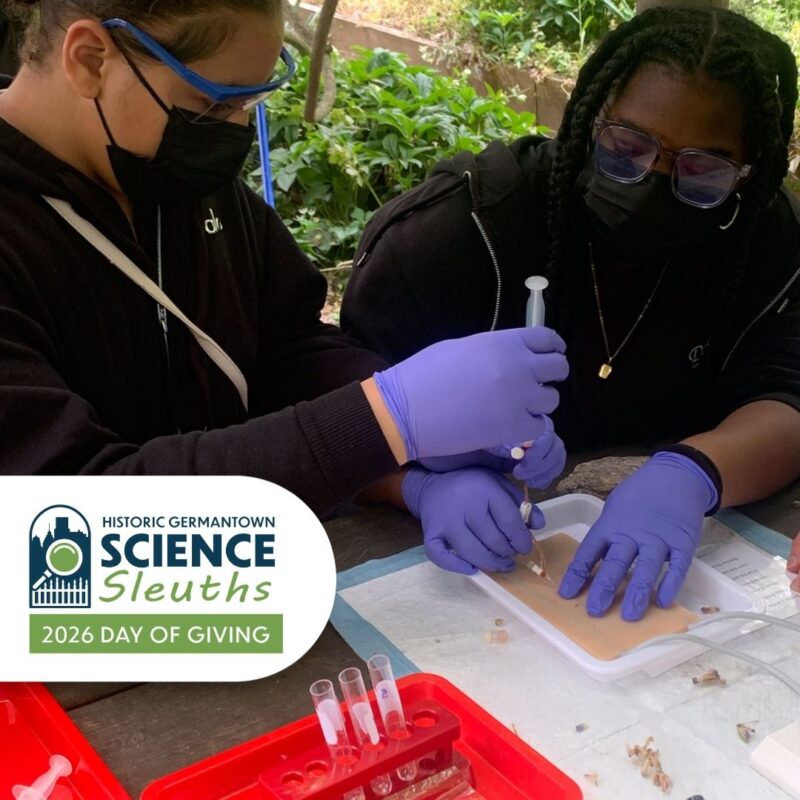
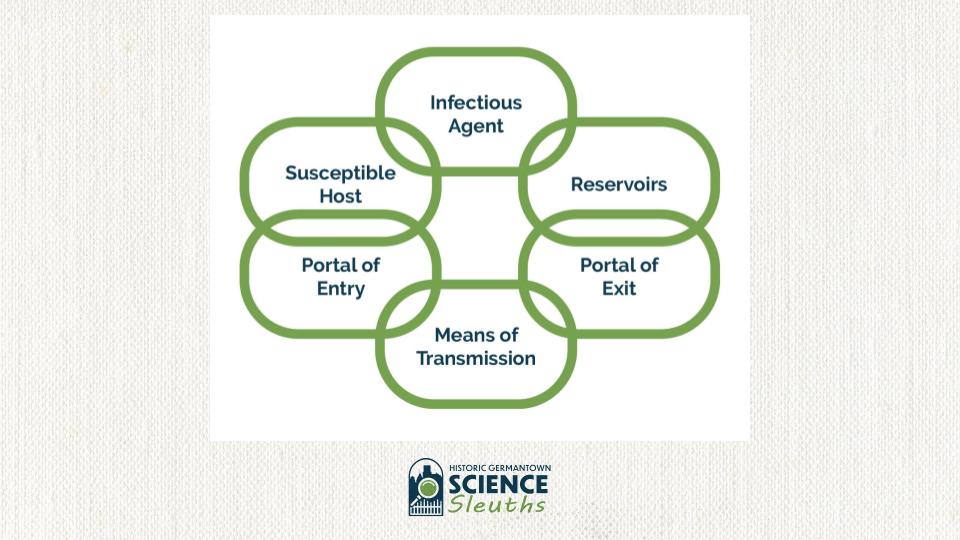
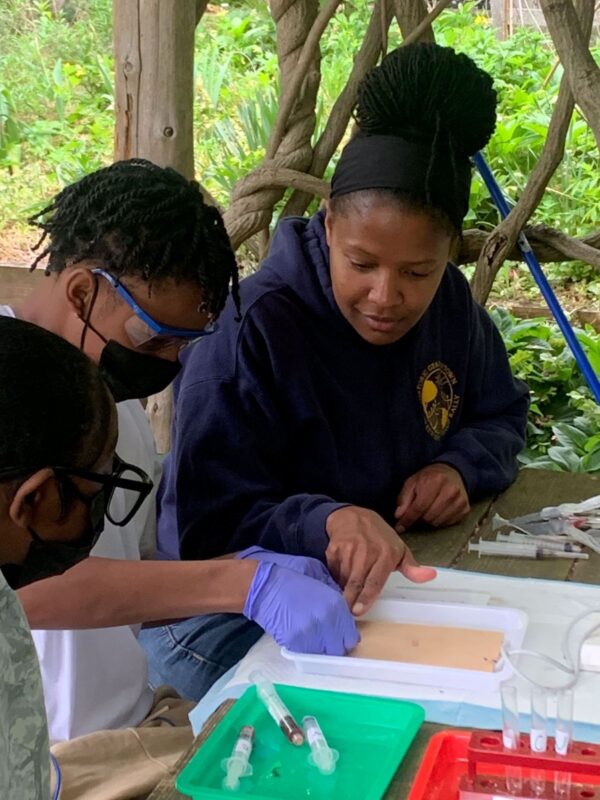
Students visit this site where a family quarantined during the 1793 yellow fever epidemic. They take part in a simulation conducting blood testing of family members for the virus and play a game that mimics the spread of infectious diseases. They learn to read maps and charts showing how an epidemic can move across a population.
Historic Fairhill
Students study climatology

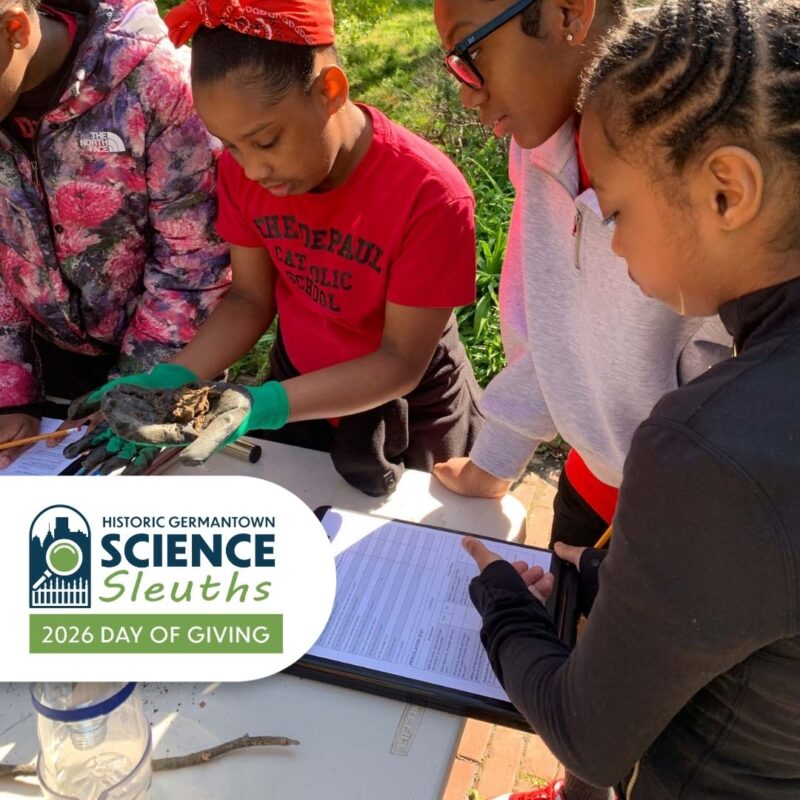
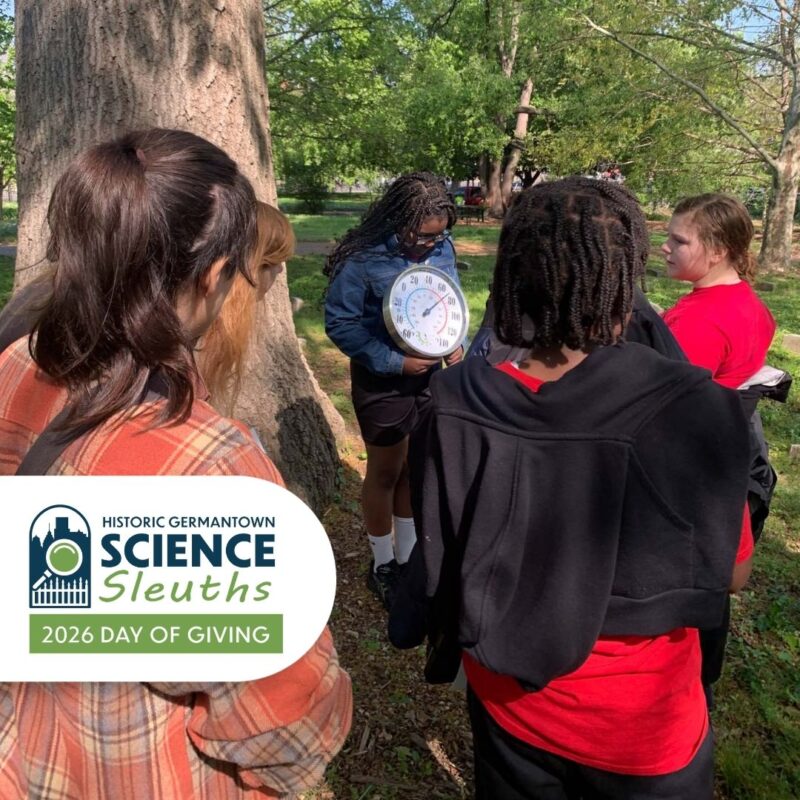
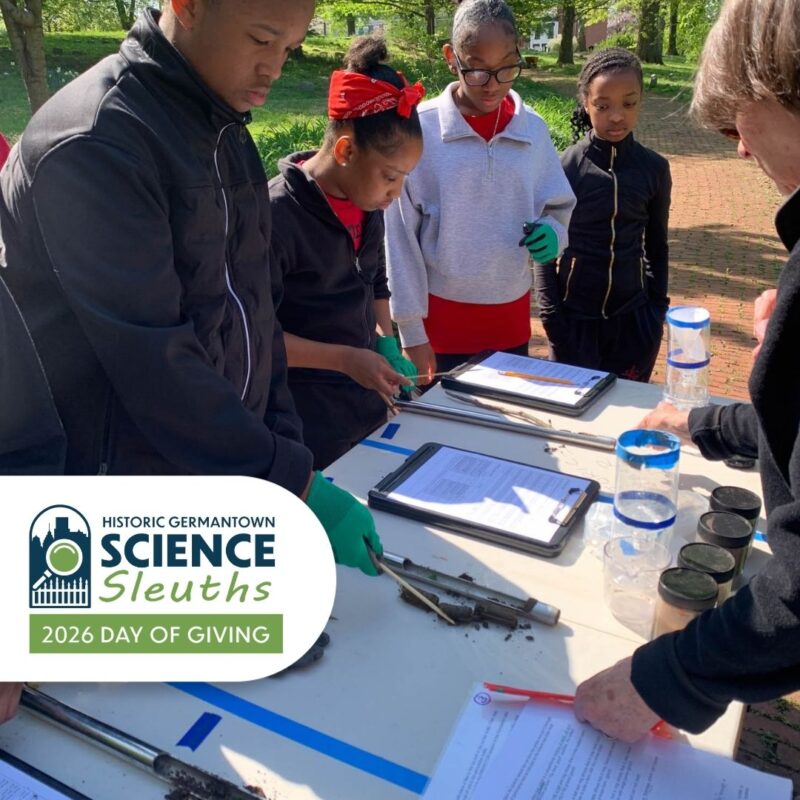
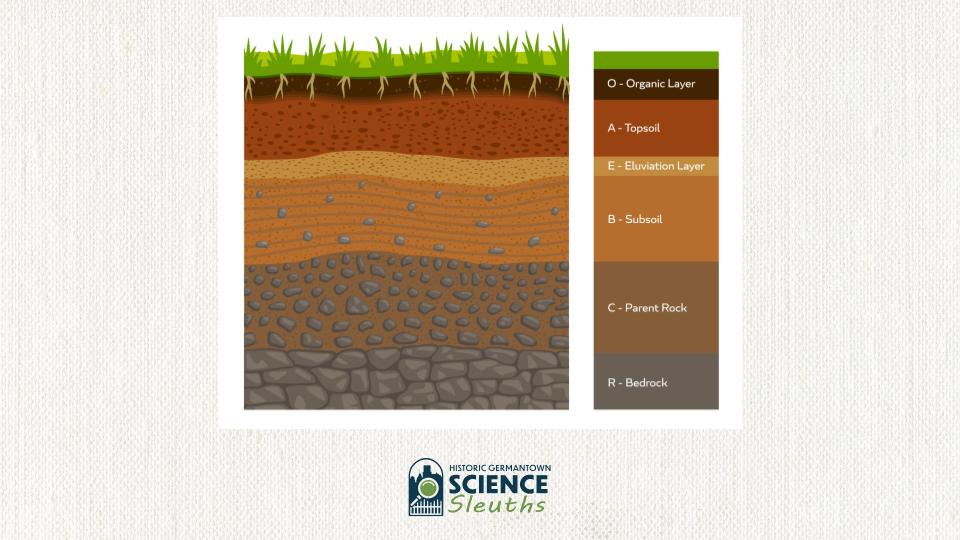
Students test the soil for texture, water percolation, and pH levels. They record data in three different microclimates measuring wind speed, humidity, and temperature and examine the effects of green spaces and the tree canopy in urban areas. Lastly, they take part in a bioblitz exploring biodiversity and its connection to climate.
Stenton
Students study genetics

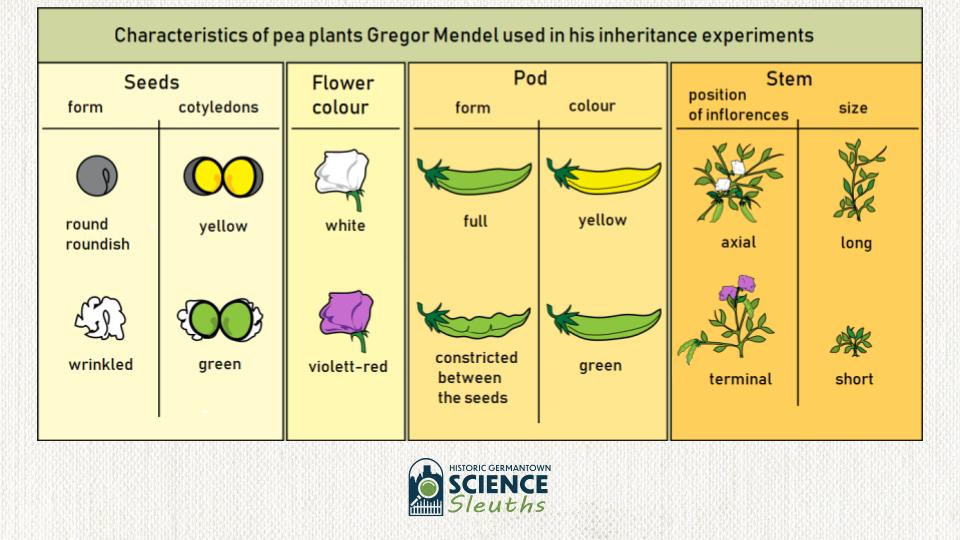
Students learn about James Logan and his studies of plant genetics; they play a game the teaches the basic laws of heredity, and they extract strands of DNA from plant material. They tour three distinct biomes on the property and discuss how the environment may affect genetics over time.
Historic RittenhouseTown
students study and physics/simple machines

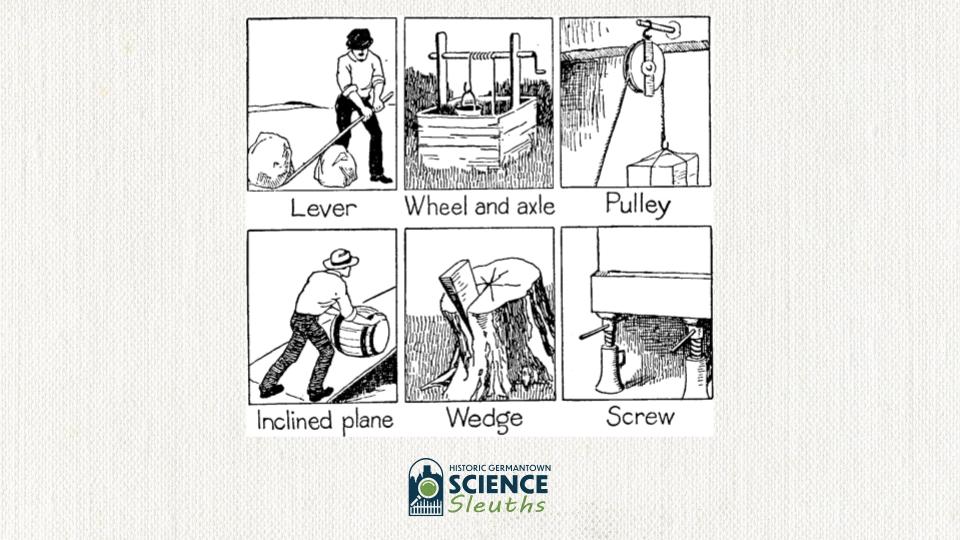
Students learn about six simple machines, overshot and undershot water wheels, and potential and kinetic energy. They learn about flax plants and the historic process of paper making and then they experiment in making their own handmade paper at the site of America’s first paper mill.
Your gift to HG’s Day of Giving for Science Sleuths will be matched dollar for dollar, doubling your impact.

Here’s how far your support can go:
$50
Can buy pH water testing strips

$100
Helps purchase water wheel building kits

$150
Will buy supplies for one epidemiology class

$295
Funds a roundtrip bus transportation for one class of students.

$500
Can pay for training 5 guides to teach at one site.

$1,000
Can support ongoing curriculum development